Scan the QR code to communicate with the project manager
We are waiting for your voice 24 hours a day on WeChat
Answer questions in this article/Technical consultation/Operation consultation/Technical advice/Internet communication

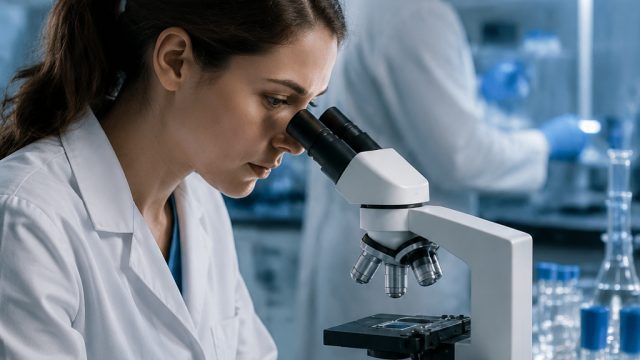
In the ever-evolving landscape of biotechnology, the intersection of innovation and ethics is becoming increasingly complex. Recently, two startups, Preventive and Origin Genomics, have announced their efforts to integrate gene editing with in vitro fertilization (IVF) methods. Their primary aim is to address genetic disorders by correcting disease-causing mutations at the embryonic level.
The potential benefits of gene editing are profound. By targeting specific genetic disorders, these technologies could revolutionize reproductive health and significantly reduce the incidence of hereditary diseases. With startups like Preventive and Origin Genomics leading the charge, there is a renewed sense of optimism surrounding the future of genetic medicine.
While the excitement around these technological advancements grows, advocacy groups for individuals affected by genetic disorders remain largely silent. This silence raises questions about the ethical implications of embryo editing. As these startups push forward, advocacy representatives express mixed feelings about the potential consequences of such innovations.
The regulatory framework surrounding gene editing is still developing. Governments and health organizations worldwide are grappling with how to approach the ethics of embryo editing. It’s clear that as startups like Preventive and Origin Genomics continue to advance their technologies, the dialogue must also evolve.
The urgency of these discussions cannot be overstated. As breakthroughs are made in gene editing technologies, the implications for health, ethics, and society are profound. With the rise of companies like Preventive and Origin Genomics, the time to engage in these conversations is now. Stakeholders across the industry must come together to navigate the complexities of this new frontier in genetics, balancing innovation with the ethical considerations that come with it.
The advancements in gene editing through startups are a beacon of hope for many facing genetic disorders. However, the ethical implications cannot be ignored. As discussions continue to evolve, it is essential for all parties, including advocacy groups and the public, to engage in the dialogue. Only then can we ensure that the future of gene editing serves the best interests of all, fostering a society that values both innovation and ethical integrity.

We are waiting for your voice 24 hours a day on WeChat
Answer questions in this article/Technical consultation/Operation consultation/Technical advice/Internet communication
WeChat QR code
WeChat QR code
Mobile version official website