Scan the QR code to communicate with the project manager
We are waiting for your voice 24 hours a day on WeChat
Answer questions in this article/Technical consultation/Operation consultation/Technical advice/Internet communication

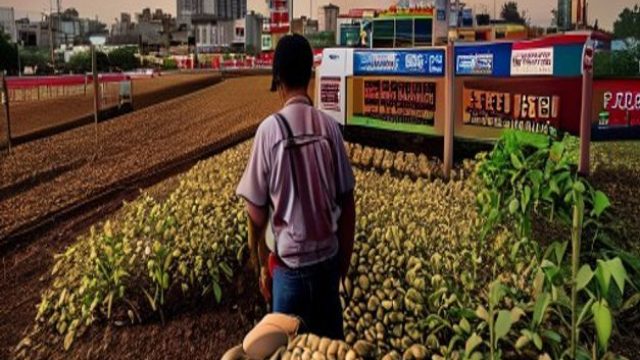
The race to dominate China's vast soybean market has intensified as American farmers make a renewed push to reclaim their share. With China as the world's largest importer of soybeans, the stakes are high for U.S. producers as they strive to differentiate themselves from Brazilian competitors.
The soybean supply chain is currently facing a critical turning point, influenced by fluctuating global demand, trade policies, and agricultural innovations. The U.S. Soybean Export Council (USSEC) emphasizes the superior quality of American soybeans as a key selling point, aiming to attract Chinese importers who are increasingly discerning in their sourcing.
In recent years, the trade relationship between the U.S. and China has been complicated, influenced by tariffs and trade disputes. However, with China's growing need for high-quality feed and oil, U.S. farmers see an opportunity to re-establish solid trade ties.
American soybean farmers are not just relying on quantity; they are focusing on quality. The U.S. crop is often recognized for its higher protein content and overall quality, making it attractive to Chinese buyers. The USSEC is leveraging these qualities in its marketing strategies to highlight why U.S. soybeans may be a better choice than Brazilian options.
Brazil has long dominated the soybean export market, but U.S. farmers are determined to win back customers. Brazilian soybeans are often less expensive, which can be appealing to budget-conscious buyers. However, with fluctuating prices and shipping logistics, the reliability and quality of U.S. products are becoming a critical differentiator.
To further strengthen their position, U.S. farmers are adopting innovative agricultural practices. These practices include:
As the competition heats up, it's essential to recognize the potential implications for the global agricultural landscape. With changing consumer preferences and the growing importance of sustainability, U.S. soybean producers are at a crossroads. They must not only focus on capturing market share but also adapt to the evolving demands of Chinese consumers.
Building relationships with Chinese importers and establishing long-term partnerships can significantly impact success in this market. U.S. farmers are exploring various avenues, including:
The fierce competition for China's soybean market illustrates a broader trend in global agriculture, where quality and innovation are critical for success. U.S. farmers are poised to leverage their strengths against Brazilian competitors by emphasizing the premium quality of their products and embracing change through technology and strategic relationships. As they navigate this complex landscape, the ability to adapt and respond to market demands will be vital for reclaiming their foothold in the ever-expanding world of soybean exports.

We are waiting for your voice 24 hours a day on WeChat
Answer questions in this article/Technical consultation/Operation consultation/Technical advice/Internet communication
WeChat QR code
WeChat QR code
Mobile version official website