Scan the QR code to communicate with the project manager
We are waiting for your voice 24 hours a day on WeChat
Answer questions in this article/Technical consultation/Operation consultation/Technical advice/Internet communication

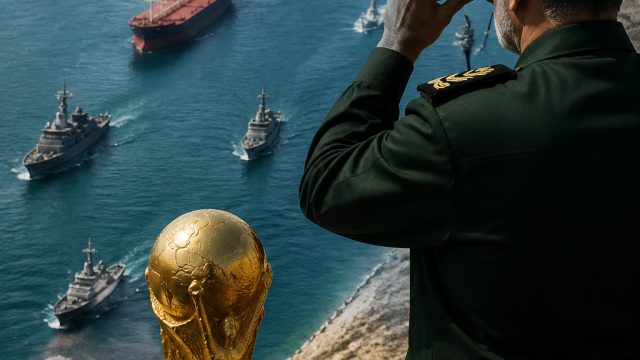
The Strait of Hormuz, a crucial maritime corridor for global oil shipping, has recently become a focal point in geopolitical discussions, particularly with Iran's latest assertive moves. As tensions escalate, understanding the implications of Iran's control over this vital waterway is more important than ever for businesses and policymakers worldwide.
Reports indicate that Iran has announced its intention to manage the Strait of Hormuz more rigorously, causing significant shipping delays and raising concerns among oil importers. The Iranian Tasnim news agency reported that the Strait will remain under tight control until certain political demands are met, including a ceasefire in Lebanon. This declaration has led to immediate disruptions in shipping routes, affecting oil supply chains globally.
With over a fifth of the world's oil supply passing through the Strait of Hormuz, any disturbance here sends ripples across global markets. The recent developments have prompted speculation about potential oil price hikes, further complicating the recovery process from previous economic disruptions.
As Iran tightens its grip on the Strait, shipping companies find themselves in a precarious position. Delivering goods through alternative routes not only increases travel time but also overall expenses. This situation challenges the reliance on established maritime routes and forces companies to adapt.
In the face of these challenges, businesses must consider diversifying their shipping strategies. Options include:
Such adaptations are crucial for maintaining supply chain integrity while navigating rising costs due to geopolitical instability.
Iran's current posture in the Strait of Hormuz not only affects shipping and oil markets but also has broader implications for international relations. Countries reliant on oil imports from the Gulf must reconsider their foreign policy strategies amidst rising tensions.
This development is likely to provoke reactions from major powers, potentially altering alliances and security arrangements in the region. Countries such as the United States might ramp up their naval presence in the Gulf, while regional players may seek new partnerships to ensure their energy security.
As the situation in the Strait of Hormuz evolves, it is essential for businesses and governments to stay informed about the latest developments. Understanding the implications of Iran's actions on shipping and oil markets will be crucial in navigating the uncertain landscape that lies ahead.
In these rapidly changing times, staying updated will not only prepare businesses for immediate challenges but also equip them with the foresight needed for future strategies. Whether you're monitoring the latest jitu jp slot figures or analyzing the grand lotto result, having a comprehensive view of global events, including the tensions in Iran, is essential for informed decision-making.

We are waiting for your voice 24 hours a day on WeChat
Answer questions in this article/Technical consultation/Operation consultation/Technical advice/Internet communication
WeChat QR code
WeChat QR code
Mobile version official website