Scan the QR code to communicate with the project manager
We are waiting for your voice 24 hours a day on WeChat
Answer questions in this article/Technical consultation/Operation consultation/Technical advice/Internet communication

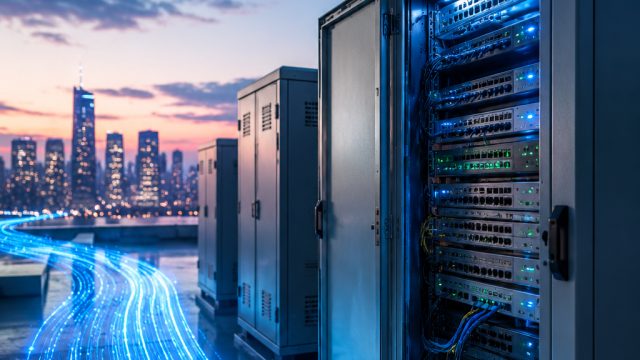
In an era where data generation is exponential, traditional data processing methods are often insufficient. Enter edge computing, a revolutionary approach that decentralizes data processing and analysis, bringing it closer to the source of data generation.
Edge computing refers to the processing of data near the edge of the network—where data is generated—rather than relying on a centralized data center. This innovative paradigm offers numerous benefits, particularly for enterprises that rely on real-time data processing.
One of the most significant advantages of edge computing is its ability to reduce latency. By processing data closer to its source, organizations can obtain insights faster, enabling quick decision-making. In industries such as manufacturing and healthcare, where timing is critical, edge computing can make a significant difference.
With the sheer volume of data being generated, transmitting all this information to centralized data centers can lead to network congestion. Edge computing allows enterprises to filter and process data locally, sending only the necessary information to the cloud. This not only optimizes bandwidth but also reduces costs associated with data transmission.
Security is a crucial consideration for enterprises in today’s digital landscape. Edge computing can enhance data security by limiting the amount of data sent to centralized systems. By keeping sensitive information closer to its source, organizations can reduce the risk of breaches and ensure compliance with data privacy regulations.
As enterprises grow and evolve, their data processing needs change. Edge computing provides the scalability required to accommodate growth without compromising performance. Organizations can integrate new devices and applications seamlessly, adapting to changing business environments.
Numerous industries are already leveraging edge computing to enhance operations. In the retail sector, for instance, edge devices can analyze customer behavior in real-time, enabling personalized marketing strategies. In transportation, edge computing facilitates vehicle-to-everything (V2X) communication, improving safety and efficiency.
As we look to the future, edge computing is poised to play a pivotal role in shaping how enterprises process and manage data. By adopting edge technologies, organizations can improve performance, enhance security, and optimize their IT infrastructure. The growth of edge computing will undoubtedly influence various industries, making it an essential consideration for IT leaders in 2024 and beyond.

We are waiting for your voice 24 hours a day on WeChat
Answer questions in this article/Technical consultation/Operation consultation/Technical advice/Internet communication
WeChat QR code
WeChat QR code
Mobile version official website