Scan the QR code to communicate with the project manager
We are waiting for your voice 24 hours a day on WeChat
Answer questions in this article/Technical consultation/Operation consultation/Technical advice/Internet communication

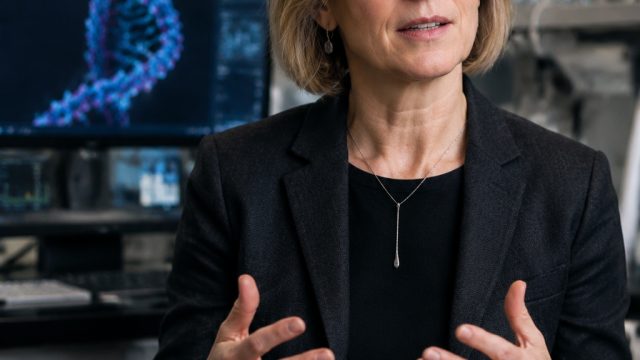
In a time where technological advancements reshape our understanding of biology, few figures stand as prominently as Jennifer Doudna. The Nobel Prize-winning scientist from the University of California, Berkeley, has played a pivotal role in the development of CRISPR technology, revolutionizing gene editing. In a recent discussion with Emily Chang, Doudna shared insights into the origins of CRISPR, its potential applications, and the misconceptions that often arise in Silicon Valley regarding the future of biology.
CRISPR, an acronym for Clustered Regularly Interspaced Short Palindromic Repeats, has transformed gene editing. Initially discovered in bacteria as a defense mechanism against viruses, CRISPR has evolved into a powerful tool for altering DNA in various organisms. Doudna's journey into this realm began with a deep curiosity about molecular biology and an unwavering commitment to scientific exploration.
As gene editing technologies continue to mature, they pose ethical, legal, and societal questions. Doudna emphasizes the importance of having transparent discussions about the applications of CRISPR, especially in areas such as human genetics. The ability to edit genes brings forth the possibility of eradicating genetic diseases, enhancing crop resilience, and even combating climate change.
The medical implications of CRISPR are particularly exciting:
In agriculture, the potential is equally revolutionary:
Despite the promising future of gene editing, misconceptions abound, particularly in tech-centric areas like Silicon Valley. Doudna discussed how some narratives oversimplify the technology, failing to recognize the complexity involved in gene editing processes. The potential for misuse, especially regarding human gene editing, is a serious concern that must be addressed through robust regulations and public discourse.
Doudna advocates for a balanced approach to gene editing:
As we look to the future, the potential applications of gene editing continue to expand. Doudna’s insights remind us that while the technology offers incredible possibilities, it also comes with significant responsibility. The scientific community must approach advancements in gene editing with caution, guided by ethical principles and a commitment to the greater good.
Jennifer Doudna's work has not only advanced our understanding of gene editing but has also catalyzed crucial conversations about its implications. As we stand on the brink of a new era in biotechnology, the need for informed dialogue has never been more critical. Embracing innovation while ensuring ethical considerations will define the trajectory of gene editing in the years to come.

We are waiting for your voice 24 hours a day on WeChat
Answer questions in this article/Technical consultation/Operation consultation/Technical advice/Internet communication
WeChat QR code
WeChat QR code
Mobile version official website