Scan the QR code to communicate with the project manager
We are waiting for your voice 24 hours a day on WeChat
Answer questions in this article/Technical consultation/Operation consultation/Technical advice/Internet communication

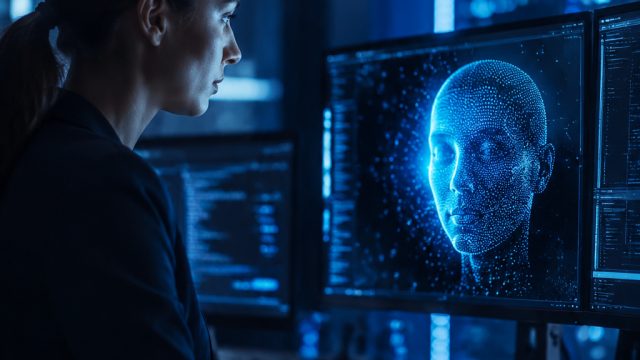
As the capabilities of artificial intelligence (AI) evolve, the debate surrounding the identification and regulation of AI-generated content becomes increasingly pressing. Recent discussions have raised questions about the potential for mandatory watermarks in videos and images produced by AI, a topic that touches on issues of authenticity, content ownership, and even the prevention of fraud. In this article, we delve into the implications of watermarking AI-generated material and why it is a crucial consideration in our digital age.
The proliferation of AI content generation tools has transformed how we create and consume digital media. From stunning visuals to compelling narratives, AI applications are capable of producing high-quality content that often blurs the lines between human and machine-generated work. As these technologies become more accessible, the risk of misuse also escalates. This is where the concept of watermarking comes into play.
Watermarks are marks or patterns embedded within media files that indicate the source or creator of the content. They can be visible or invisible, with digital watermarking often embedded in the file’s code to remain undetectable by the naked eye. This technology is already widely used for copyright protection in photography, artwork, and videos. However, the introduction of mandatory watermarks for AI-generated content could have far-reaching implications.
While the idea of watermarking AI-generated content is gaining traction, there are several trends and developments worth noting that may shape its future. Several prominent tech companies are already experimenting with watermarking techniques to distinguish their AI-generated outputs.
Several key players in the tech industry are actively working on solutions that could pave the way for widespread watermarking practices:
While the push for watermarks is compelling, it is not without its challenges. Here are some vital considerations:
The discussion around watermarking AI-generated content is not just a technical issue; it is one that strikes at the very heart of how we engage with digital information. As AI continues to advance, the need for transparency, authenticity, and ethical standards will only grow. Implementing standardized watermarks could be a significant step toward addressing the challenges posed by AI-generated content, protecting both creators and consumers alike. Keeping a close eye on these developments and advocating for responsible AI practices is crucial as we move forward in the digital landscape.

We are waiting for your voice 24 hours a day on WeChat
Answer questions in this article/Technical consultation/Operation consultation/Technical advice/Internet communication
WeChat QR code
WeChat QR code
Mobile version official website