Scan the QR code to communicate with the project manager
We are waiting for your voice 24 hours a day on WeChat
Answer questions in this article/Technical consultation/Operation consultation/Technical advice/Internet communication

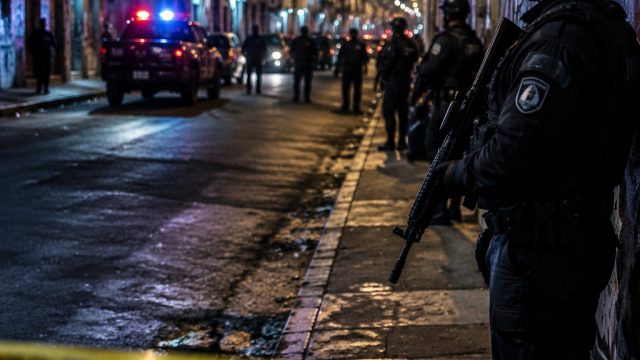
In recent years, Latin America has witnessed an unsettling increase in violent incidents, raising significant concerns about public safety and social stability. This escalation, characterized by high-profile attacks, has not only terrified local communities but also attracted media attention worldwide. As we delve into the complexities surrounding these events, it is crucial to understand their implications and the underlying factors contributing to such nihilistic tendencies.
On April 20, 2026, a tragic shooting unfolded at the iconic Teotihuacán pyramids in Mexico. A 27-year-old individual, identified as Julio César Jasso Ramírez, opened fire, resulting in the death of one tourist and injuries to thirteen others. This incident shocked the nation and drew parallels with the infamous Columbine High School shooting, suggesting a connection to the broader phenomenon of violence fueled by the True Crime Community (TCC).
The connection between these violent acts and cultural narratives cannot be overlooked. The glorification of crime in media, especially within online communities, is disturbing. These groups often romanticize acts of violence, fostering a sense of nihilism amongst individuals who may feel alienated or disenfranchised. This context raises questions about the role of social media in perpetuating such ideologies and whether platforms should take greater responsibility in moderating content.
To effectively address the growing trend of violence in Latin America, it is essential to examine its roots. Multiple factors contribute to this crisis, including socio-economic disparities, lack of access to education, and pervasive corruption. Governments across the region are grappling with how to address these deep-seated issues effectively.
These socio-economic issues create a breeding ground for crime and violence, as marginalized individuals may resort to desperate measures. The ongoing cycle of poverty and crime can be difficult to escape, further entrenching communities in violence.
Education is vital in breaking the cycle of violence. Increasing access to quality education can empower individuals, fostering hope for a better future. Programs aimed at youth engagement and community development show promise in steering young people away from paths that could lead to violence.
Analyzing recent violent episodes in Latin America provides valuable insights into the factors at play. Each incident, including the tragic event at Teotihuacán and others like it, reveals patterns that can inform strategies for prevention.
The repercussions of such violence extend beyond immediate victims. Tourist destinations, like Teotihuacán, suffer from the fallout of violent incidents, leading to decreased visitor numbers and economic downturns for local businesses. This creates additional stress for communities already struggling with economic challenges.
Some communities have begun to implement proactive measures aimed at fostering safety and security. By encouraging collaboration between residents and law enforcement, these initiatives seek to build trust and create a sense of shared responsibility for community welfare.
The path forward requires a multi-faceted approach involving governments, non-governmental organizations, and communities. Addressing the underlying socio-economic issues, improving educational opportunities, and fostering a culture of resilience and hope are crucial steps. Moreover, as we consider the implications of violence and its association with cultural narratives, open discussions around social media's influence become essential.
The rise of violence in Latin America, epitomized by incidents like the one at Teotihuacán, demands urgent attention. Understanding the social, economic, and cultural factors that drive such behavior is vital in formulating effective responses. By working collaboratively, communities and governments can begin to dismantle the narratives of nihilism and work towards a more peaceful future.

We are waiting for your voice 24 hours a day on WeChat
Answer questions in this article/Technical consultation/Operation consultation/Technical advice/Internet communication
WeChat QR code
WeChat QR code
Mobile version official website